- All
- Product Name
- Product Keyword
- Product Model
- Product Summary
- Product Description
- Multi Field Search
Views: 0 Author: Site Editor Publish Time: 2026-05-07 Origin: Site
Have you ever wondered how electronic devices get the right voltage? DC/DC converters are the unsung heroes behind this vital process.
In this article, we’ll explore why DC/DC converters are crucial in modern electronics. You’ll learn about their functionality, applications, and key features that enhance efficiency and performance.
DC/DC converters are essential for transforming one direct current (DC) voltage level to another. They operate using a process called switching, where transistors rapidly turn on and off. This action generates a controlled output voltage. The converters use inductors and capacitors to store and transfer energy efficiently. As a result, they can maintain stable voltage levels while minimizing energy loss.
There are three main types of DC/DC converters, each serving a unique purpose:
Buck Converters: These converters step down voltage, reducing a higher input voltage to a lower output voltage. They are commonly used in applications where a lower voltage is needed, such as powering microcontrollers or sensors.
Boost Converters: In contrast, boost converters increase voltage. They take a lower input voltage and convert it to a higher output voltage. This type is often found in battery-powered devices, where the battery voltage may drop below the operating voltage of the device.
Buck-Boost Converters: These versatile converters can either step up or step down the input voltage, depending on the requirements. They are particularly useful in applications where the input voltage may vary, such as in renewable energy systems.
Switching techniques play a vital role in the efficiency of DC/DC converters. By rapidly turning the transistors on and off, these converters minimize energy loss during the voltage transformation process. High-frequency switching allows for smaller components and improved efficiency.
Moreover, modern converters often employ advanced control strategies, such as pulse width modulation (PWM), to regulate output voltage precisely. This regulation ensures that devices receive a consistent voltage, which is crucial for their reliable operation.
Overall, the efficiency of a DC/DC converter can significantly impact the performance of electronic systems. High-efficiency converters reduce energy waste, extend battery life, and lower operational costs, making them a critical component in today’s electronic devices.
Efficiency ratings are critical in evaluating DC/DC converters. They indicate how effectively a converter transforms input voltage to output voltage while minimizing energy loss. High-performance DC/DC converters can achieve efficiencies exceeding 90%, which is vital for applications where power conservation is key.
For instance, in battery-powered devices, higher efficiency means longer battery life. A converter that operates at 95% efficiency wastes only 5% of energy as heat, while one at 80% wastes 20%. This difference can significantly impact the operational cost and sustainability of devices.
In industrial settings, even small efficiency improvements translate into substantial energy savings over time. Therefore, when selecting a DC/DC converter, always consider its efficiency rating to ensure optimal performance and reduced energy costs.
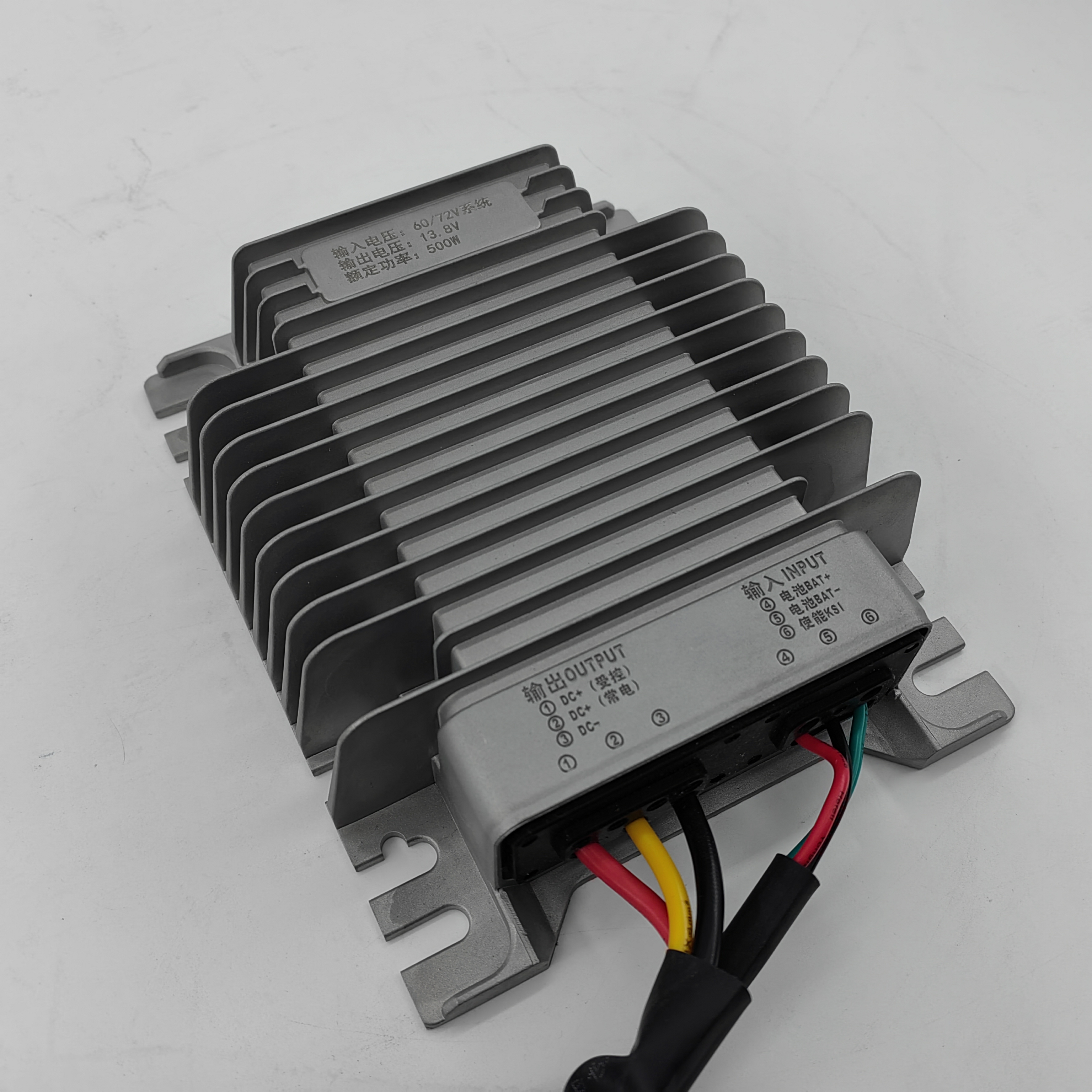
Thermal management is another crucial feature of high-performance DC/DC converters. Efficient converters generate less heat, but managing the residual heat is essential to ensure reliability and longevity. Excessive heat can lead to component failure, reduced efficiency, and even safety hazards.
Advanced thermal management techniques include using heat sinks, thermal pads, and fans to dissipate heat effectively. Some converters also incorporate temperature sensors that adjust operation based on thermal conditions. This proactive approach prevents overheating and maintains optimal performance.
For example, in high-power applications, such as electric vehicles, effective thermal management ensures that converters operate within safe temperature ranges, enhancing safety and extending the lifespan of both the converter and the overall system.
The trend towards miniaturization in electronics highlights the importance of compact design in DC/DC converters. High-performance models are designed to occupy less space without compromising functionality. This design innovation is particularly beneficial in applications where space is limited, such as in portable devices and embedded systems.
Manufacturers utilize advanced materials and innovative designs, such as integrating multiple functions into a single module, to achieve this compactness. For instance, some converters combine buck and boost functionalities into one unit, saving space and simplifying the overall design.
Furthermore, smaller converters can improve system performance by reducing the length of power traces, which minimizes voltage drop and electromagnetic interference. This compact design is not only efficient but also aligns with the growing demand for sleek and lightweight electronic devices.
Tip: When evaluating DC/DC converters, prioritize efficiency ratings and thermal management features to ensure reliability and optimal performance in your applications.
DC/DC converters can be categorized into two main types: isolated and non-isolated converters. Understanding the differences between them is crucial for selecting the right converter for specific applications.
Isolated DC/DC Converters: These converters provide electrical separation between the input and output. This is achieved using transformers or opto-isolators, which prevent direct electrical connections. The isolation enhances safety by preventing electrical faults from affecting other circuits. It's particularly important in high-voltage applications or sensitive environments, such as medical devices and industrial equipment. Isolated converters also help reduce electromagnetic interference (EMI), ensuring cleaner power delivery.
Non-Isolated DC/DC Converters: In contrast, non-isolated converters do not offer electrical separation. They are simpler and more compact, making them cost-effective options. Non-isolated converters are suitable for applications where the input and output share a common ground. Commonly found in consumer electronics and automotive systems, these converters provide efficient voltage regulation without the added complexity of isolation components.
Choosing between isolated and non-isolated converters depends on the application requirements. If safety and noise reduction are priorities, isolated converters are the way to go. However, for applications where cost and space are significant factors, non-isolated converters may be more suitable.
Isolated DC/DC converters come equipped with various safety features to enhance their reliability and protect sensitive components. Some of these features include:
Galvanic Isolation: This prevents high voltages from affecting low-voltage circuits, reducing the risk of electrical shock and equipment damage.
Overvoltage Protection: Many isolated converters include mechanisms to shut down or limit output in case of voltage spikes, protecting downstream components.
Thermal Protection: Built-in thermal sensors can monitor the converter's temperature and adjust operation to prevent overheating, ensuring longevity and safety.
These safety features make isolated converters ideal for critical applications, such as in medical devices where patient safety is paramount.
Isolated DC/DC converters are widely used across various industries due to their safety and reliability. Here are some key applications:
Medical Devices: In devices like patient monitors and imaging equipment, isolated converters ensure that high-voltage components do not interfere with sensitive electronics, providing safe operation.
Industrial Equipment: In manufacturing and automation, isolated converters help power control systems and sensors, ensuring stable performance in harsh environments.
Telecommunications: Isolated converters are used in telecom infrastructure to maintain signal integrity and reduce noise, essential for reliable communication.
Renewable Energy Systems: In solar and wind energy applications, isolated converters manage the conversion of energy while providing safety and efficiency, enhancing system reliability.
By offering enhanced safety and performance, isolated DC/DC converters play a vital role in modern electronic applications.
DC/DC converters are vital in the automotive sector, especially for electric vehicles (EVs). These converters manage the power distribution from high-voltage batteries to various low-voltage systems in the car. For instance, while an EV's traction battery operates at high voltages (often around 400V or more), many components, like infotainment systems and safety features, require a stable 12V or 48V supply.
By stepping down voltage, DC/DC converters ensure that these systems receive the appropriate power levels, enhancing efficiency and performance. They also play a crucial role in load management, allowing vehicles to balance power between subsystems like climate control and electronic control units (ECUs). This efficient power distribution not only optimizes energy usage but also contributes to overall vehicle safety and functionality.
In renewable energy applications, DC/DC converters are essential for optimizing the energy harvested from sources like solar panels and wind turbines. These converters adjust the voltage output to match the requirements of the grid or battery storage systems. For example, in solar photovoltaic (PV) systems, DC/DC converters ensure that the energy generated is converted to a usable voltage level, improving the efficiency of energy conversion and storage.
By maintaining optimal voltage levels, these converters enhance the reliability of renewable energy systems, making them more viable for widespread use. They also help in maximizing energy capture during varying environmental conditions, which is crucial for the efficiency of renewable energy technologies.
DC/DC converters are also widely used in telecommunications and consumer electronics. In telecom infrastructure, they help maintain stable voltage levels, ensuring reliable communication systems. These converters manage power for base stations, routers, and switches, which are critical for maintaining connectivity in today’s digital world.
In consumer electronics, such as smartphones and tablets, DC/DC converters regulate battery voltage, ensuring devices operate efficiently. They convert varying battery voltages to stable outputs, preventing malfunctions and extending the lifespan of electronic components. This voltage regulation is especially important in battery-powered devices, where fluctuating voltages can lead to performance issues or even damage.
Choosing the right DC/DC converter is crucial for ensuring optimal performance in your electronic applications. Here are some key factors to consider:
Input Voltage Range: Make sure the converter can handle the voltage from your power source. Check the specifications to ensure it aligns with your application's needs.
Output Voltage Requirements: Determine the voltage level needed for your device. Different converters can step up or step down voltage, so select one that meets your specific output requirements.
Output Current Capacity: Verify that the converter can supply the required current at maximum load. Insufficient current can lead to device malfunction or damage.
Efficiency Ratings: Look for converters with high efficiency ratings. High-efficiency models minimize energy loss, reduce heat generation, and extend battery life in portable devices. Aim for converters with efficiencies above 90%.
Thermal Management: Consider how the converter manages heat. Efficient thermal management techniques, such as heat sinks or thermal pads, can enhance reliability and longevity.
Size and Form Factor: In applications where space is limited, opt for compact designs. Smaller converters can fit into tighter spaces without sacrificing performance.
Cost: Balance performance and cost. While high-performance converters may have a higher upfront cost, they can lead to long-term savings through reduced energy consumption.
Understanding the specifications of DC/DC converters is essential for making informed decisions. Here are the critical specifications to review:
Input Voltage Range: This is the range of voltages the converter can accept. Ensure it matches your power source to avoid damage.
Output Voltage: The desired voltage level that the converter will provide. It should align with the requirements of your load.
Output Current: This is the maximum current the converter can deliver. Check the datasheet to ensure it meets your device's needs.
Efficiency: This percentage indicates how much of the input power is converted to output power. Higher efficiency means less wasted energy.
Switching Frequency: This affects the size and performance of the converter. Higher frequencies can lead to smaller components, but they may generate more noise.
Test Under Load: Always test the converter under actual load conditions to ensure it performs as expected. This helps identify any potential issues before deployment.
Consult Manufacturer Guidelines: Review the manufacturer's recommendations for installation and usage. They often provide valuable insights into optimizing performance.
Consider Future Needs: Anticipate any potential changes in your application. Select a converter that can accommodate future expansions or increased power demands.
Seek Professional Advice: If unsure, consult experts or manufacturers for guidance. They can help you navigate complex specifications and recommend the best options for your needs.
Monitor Performance: After installation, regularly monitor the converter's performance. This can help catch any issues early and ensure long-term reliability.
DC/DC converters play a crucial role in transforming voltage levels efficiently. They come in various types, including buck, boost, and buck-boost converters, each serving unique applications. High-performance converters offer benefits such as improved efficiency, enhanced thermal management, and compact designs. These devices are essential in industries like automotive, renewable energy, and telecommunications. Keller provides innovative DC/DC converters that ensure reliable power management, delivering exceptional performance and value for various applications.
A: A DCDC converter is an electronic device that transforms one direct current voltage level to another, ensuring stable voltage output for various applications.
A: A DCDC converter operates by using switching techniques, where transistors rapidly turn on and off to generate a controlled output voltage while minimizing energy loss.
A: A DCDC converter is crucial for maintaining stable voltage levels in electronic devices, enhancing efficiency, reducing energy waste, and prolonging battery life.
A: The benefits of using a DCDC converter include improved energy efficiency, reduced heat generation, and enhanced performance in electronic systems.
A: When selecting a DCDC converter, consider factors such as input/output voltage requirements, efficiency ratings, thermal management, and size to ensure optimal performance.