
- All
- Product Name
- Product Keyword
- Product Model
- Product Summary
- Product Description
- Multi Field Search
Views: 0 Author: Site Editor Publish Time: 2026-04-23 Origin: Site
Have you ever wondered how your electric vehicle charges? The on board charger (OBC) plays a pivotal role in transforming AC power into DC power for your vehicle’s battery. In this article, we will explore the basic function of an OBC, why it’s so important for your EV, and how to choose the right one for your needs.
An onboard charger (OBC) is an essential component in electric vehicles (EVs) that plays a critical role in the charging process. The primary function of the OBC is to convert alternating current (AC) from an external power source, like a wall outlet or charging station, into direct current (DC), which is required to charge the vehicle's battery.
This conversion process is necessary because the vehicle's battery can only store DC power. While AC is used for long-distance transmission and is commonly available from power sources, DC is what powers the electrical systems of the vehicle. Without the OBC, the charging process wouldn't be possible, and the battery would not receive the proper current to store energy.
To break it down further, the onboard charger is like a "translator" that takes the energy from the external AC source and delivers it in a form the battery can safely absorb and store. This makes the OBC a key player in the overall performance of the EV.
Onboard chargers are crucial for maintaining the health and efficiency of the EV's battery. The OBC ensures that the battery is charged in a controlled manner, preventing it from being overcharged or undercharged. These conditions can drastically reduce the battery’s lifespan and performance.
In addition to safety, onboard chargers help optimize voltage regulation. By controlling the voltage and current fed into the battery, the OBC prevents fluctuations that could cause harm to the battery. This is especially important because batteries are sensitive to both overvoltage and undervoltage conditions. Too high or too low of a voltage can shorten their lifespan and reduce performance.
The OBC also ensures charging efficiency by ensuring that energy is transferred from the power grid to the battery as efficiently as possible. This helps to maximize the usable energy in the battery while minimizing energy loss during the charging process. Efficient charging also results in faster charging times, allowing EV owners to spend less time waiting and more time driving.
To illustrate how OBCs manage the power conversion and ensure proper voltage regulation, here’s a breakdown of how the charging process works:
| Charging Stage | Function | Time Required |
|---|---|---|
| Bulk Charging | Provides maximum current to charge up to 80% | Fastest phase |
| Absorption Charging | Reduces current and ensures steady voltage | Longer, slower |
| Float Charging | Maintains battery at full charge, low current | Continuous top-off |
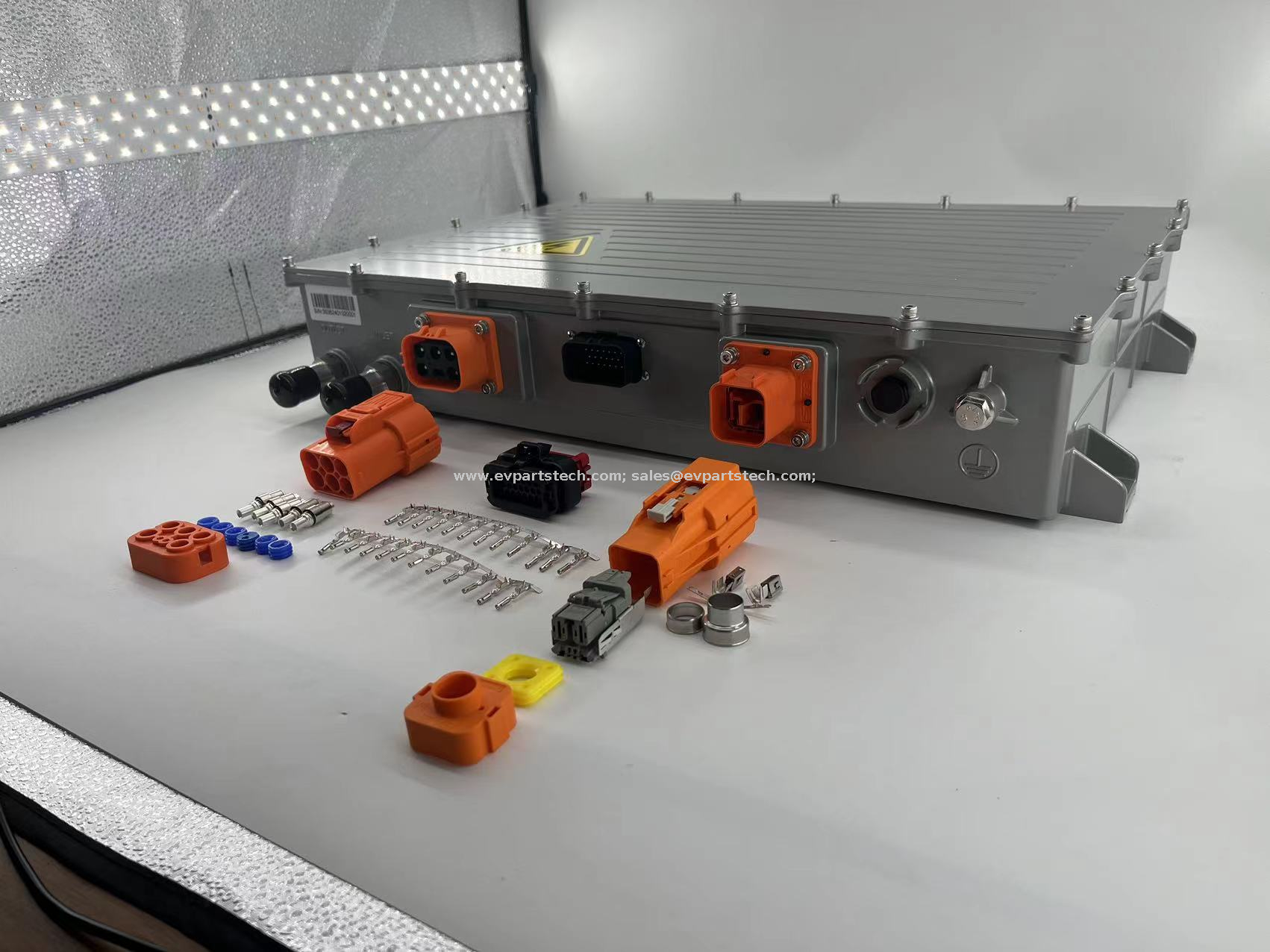
An onboard charger (OBC) plays a vital role in the charging system of an electric vehicle (EV). The OBC’s main function is to convert alternating current (AC) power from an external source into direct current (DC), which is used to charge the vehicle's battery.
This process is essential because the vehicle's battery can only store and use DC power. The AC power from a wall outlet or a charging station is not suitable for the battery. Therefore, the onboard charger ensures that the AC power is converted into a smooth and steady DC output.
The technical process involves several steps:
Rectification: AC power flows through the charger and is converted to DC by a rectifier.
Filtering: The DC output is then filtered to smooth out any fluctuations.
Voltage Regulation: The voltage is adjusted to meet the battery’s required charging voltage.
Current Limiting: The OBC controls the amount of current flowing into the battery to prevent overloading and ensure safe charging.
Here’s a simplified view of the process:
| Step | Process Description |
|---|---|
| Rectification | Converts AC to DC. |
| Filtering | Removes ripples from the DC output to ensure a steady flow of current. |
| Voltage Regulation | Adjusts the output voltage to match the battery’s requirements. |
| Current Limiting | Ensures that the current doesn’t exceed the battery’s safe charging limits. |
This structured process ensures the battery receives the correct type and amount of power, maximizing the charging efficiency and safety.
An onboard charger doesn’t just pump power into the battery all at once. Instead, it uses a multi-stage charging process to improve the efficiency and longevity of the battery. This staged approach helps the battery charge in a controlled and optimal manner, without the risks of overcharging or overheating.
Here’s an overview of the stages involved:
Bulk Charging: This is the first stage where the charger delivers the maximum allowable current to the battery. It helps the battery reach about 80% of its full charge quickly.
Absorption Charging: Once the battery is around 80% full, the charging process slows down to prevent overcharging. The current is reduced to maintain a steady voltage, ensuring a more controlled and gradual charge.
Float Charging: This final stage occurs once the battery is fully charged. The charger provides just enough current to maintain the battery’s charge without causing it to discharge.
One of the key features of modern onboard chargers is their ability to communicate with the vehicle’s Battery Management System (BMS). This communication allows the charger to adjust its behavior based on real-time information from the battery, ensuring safe and efficient charging.
The onboard charger doesn’t just charge the battery blindly; it adapts to the current state of the battery, adjusting its voltage and current levels according to the battery’s charge status and health. This communication is achieved through data exchange protocols, such as the CAN Bus system, which is commonly used in electric vehicles for communication between various parts of the vehicle’s system.
Through these systems, the OBC can continuously monitor the battery’s state of charge (SOC), adjust charging rates to optimize battery health, and protect against issues such as overcharging, overheating, or deep discharge.
This high level of control ensures that the onboard charger doesn’t just provide power but helps extend the life of the battery and improve charging efficiency, ultimately making the charging process safer and more efficient for the vehicle and its owner.
When selecting an onboard charger (OBC), there are several key factors to keep in mind to ensure that the charger will meet your vehicle's needs. First, the power level of the OBC must match the energy requirements of your battery. Choosing a charger with an appropriate power level ensures efficient and fast charging without damaging the battery.
Voltage compatibility is another critical factor. Different vehicles and battery systems operate at varying voltages, so it's essential to choose a charger that supports the specific voltage range of your vehicle. This ensures safe and effective charging, preventing potential harm to both the charger and the battery.
Lastly, consider the charging speed. While higher-power chargers generally provide faster charging times, you need to balance speed with the battery’s ability to handle rapid charging without overheating or degrading over time. Fast charging is convenient, but too much current can affect battery health in the long term.
Onboard chargers can come in either single-phase or three-phase configurations, depending on the vehicle's requirements and the charging infrastructure available.
Single-phase chargers are commonly used in residential settings, where the power source is typically a standard 120V or 240V outlet. These chargers are less expensive, simple to install, and sufficient for smaller vehicles like electric motorcycles, tricycles, and some smaller passenger EVs. While they provide slower charging speeds, they are adequate for home use where charging overnight is typical.
Three-phase chargers, on the other hand, provide faster charging times by utilizing three-phase power, which is more common in commercial settings. These chargers are ideal for larger electric vehicles or for those who need faster turnaround times. For example, commercial electric vehicles or fleet vehicles may require a three-phase charger to reduce downtime and keep operations running smoothly. These chargers are more expensive and may require specialized infrastructure to install, but the increased charging speed can be worth the investment.
When choosing an onboard charger, efficiency plays a significant role in operational costs. A highly efficient charger ensures that the maximum amount of energy is transferred to the battery, reducing waste and lowering electricity bills. High-efficiency OBCs also tend to generate less heat, which improves the overall lifespan of the vehicle’s electrical systems.
Another important consideration is environmental protection. Many onboard chargers, especially those used in harsh environments or outdoor installations, are designed with IP67 protection. This means the charger is fully sealed against dust and can withstand submersion in water for short periods. This protection is particularly valuable for vehicles used in construction, agriculture, or other rugged industries where environmental conditions can be unpredictable.
Additionally, look for cooling systems in the charger. Some OBCs feature liquid cooling or forced air cooling, ensuring that the charger doesn’t overheat during long charging sessions or under heavy loads. In extreme environments, cooling becomes critical to maintain performance and prevent overheating, which can damage both the charger and the battery.
Keller’s onboard chargers (OBCs) are designed with high efficiency and fast charging capabilities in mind. Models such as the 2KW, 6.6KW, and 10KW OBCs deliver exceptional charging speeds while maintaining energy efficiency. These chargers use advanced technologies to convert AC power into DC power with minimal energy loss, ensuring that as much energy as possible is used to charge the battery.
Key Features:
High Efficiency: Keller’s OBCs have efficiency rates that often exceed 95%, reducing energy loss during the conversion process.
Cooling Options: With air cooling and liquid cooling models, Keller ensures that the chargers operate at optimal temperatures, even during high-demand charging sessions.
Fast Charging: These models are designed to charge faster compared to conventional chargers, which is ideal for users who need quick recharges.
| Charger Model | Power Output | Efficiency Rate | Cooling Options | Charging Speed |
|---|---|---|---|---|
| 2KW OBC | 2KW | 94% | Air Cooling | Standard |
| 6.6KW OBC | 6.6KW | 95% | Liquid Cooling | Fast Charging |
| 10KW OBC | 10KW | 95% | Air/Liquid Cooling | Very Fast |
With these chargers, you get quick turnaround times while ensuring the longevity of the battery by charging it in a controlled manner.
One of the standout features of Keller's onboard chargers is their wide compatibility. Whether you have an electric motorcycle, a passenger car, or a heavy-duty industrial vehicle, Keller offers OBCs that are suitable for all types of electric power systems.
Keller’s OBCs are designed to work with various battery voltages, such as 48V, 72V, and 144V. The flexible voltage options across their product range allow you to find the perfect charger for your vehicle, no matter its specifications. This compatibility makes Keller’s OBCs ideal for a wide range of electric vehicles and power systems, whether you need something for a small e-bike or a large electric truck.
This universal compatibility ensures that Keller’s onboard chargers can serve various markets, including personal, commercial, and industrial electric vehicle applications.
When it comes to customer support, Keller goes beyond just selling high-quality products. The company offers comprehensive technical support and customization options to ensure that the onboard charger fits perfectly into your vehicle’s unique requirements. From initial consultation to post-purchase service, Keller stands by its products to ensure maximum efficiency and longevity.
Customization: Keller can customize OBCs based on specific voltage and charging speed requirements.
Technical Support: Dedicated support is available to help customers with installation, troubleshooting, and optimization.
After-Sales Service: Keller provides maintenance and warranty services to ensure long-term reliability across various operational environments.
Keller’s commitment to quality control, reliable customer service, and technical expertise makes them an excellent partner for anyone looking for an onboard charger solution. Whether you're operating in residential, commercial, or industrial environments, Keller ensures your OBCs are always working at their best.
An onboard charger (OBC) is an essential component in electric vehicles that converts AC power into DC power to charge the vehicle's battery. This conversion ensures the battery operates efficiently and safely. Keller’s onboard chargers are known for their high efficiency, fast charging, and wide compatibility with various vehicle types, including motorcycles, cars, and industrial vehicles. Keller also provides technical support, customization, and after-sales service to ensure reliable performance in all environments.
A: An onboard charger is a device in electric vehicles that converts AC power from external sources into DC power to charge the battery.
A: It converts AC to DC, regulates voltage and current, and uses multi-stage charging processes to optimize battery life.
A: It ensures efficient, safe, and controlled charging, protecting the battery and optimizing its lifespan.
A: Onboard chargers come in various power levels (e.g., 2KW, 6.6KW, 10KW) to suit different vehicle types and charging needs.
A: Consider factors like power output, voltage compatibility, and the charging speed required for your vehicle’s battery.


