
- All
- Product Name
- Product Keyword
- Product Model
- Product Summary
- Product Description
- Multi Field Search
Views: 0 Author: Site Editor Publish Time: 2026-04-23 Origin: Site
Have you ever wondered how your electric vehicle (EV) charges overnight? The on-board charger is the key component that converts power from the grid into energy your car can use. In this article, we’ll explore the role of a 7kW on-board charger, its benefits, and why it’s the perfect choice for home charging setups. By the end of this article, you’ll understand how a 7kW charger works and how it compares to other charging options.
An on-board charger (OBC) is a critical component in an electric vehicle's (EV) charging system. It acts as the vehicle's internal converter, changing the incoming AC (alternating current) power from the charging station into DC (direct current) power, which the vehicle's battery needs. This process is essential because EV batteries only store DC power, making the on-board charger indispensable for charging.
Without the on-board charger, an EV would be unable to accept AC power from standard home outlets or public charging stations. The charger ensures that the correct power is supplied to the battery, maintaining safety and optimizing the vehicle’s performance. The key functions of the OBC include:
AC to DC conversion – it allows vehicles to be charged via AC power sources.
Power management – ensuring that the battery receives the right amount of power.
Safety monitoring – overseeing parameters like voltage, temperature, and charging status to prevent damage to the battery.
This conversion process also dictates the overall charging speed of the vehicle, as the power supplied to the battery is regulated by the charger. A 7kW on-board charger typically falls within the range of home charging systems, offering a balanced solution for residential use.
The operation of an on-board charger starts as soon as the vehicle is plugged into a power source. The AC electricity coming from the grid is fed into the on-board charger through the vehicle's charging port. The charger then converts this AC power into DC power using an internal rectifier, which is a type of electrical device that changes AC into DC.
Here's a simple breakdown of the charging process:
AC Power Input – The vehicle receives AC power from a home outlet or public charging station.
Conversion to DC – The onboard charger converts this AC power into DC using a rectifier circuit.
Battery Charging – The converted DC power is then supplied to the vehicle’s battery, where it is stored for later use.
In addition to converting power, the on-board charger works closely with the Battery Management System (BMS) to ensure that the battery receives power in the safest and most efficient way possible. The BMS communicates with the charger to monitor parameters such as:
Voltage levels – Ensures the battery doesn’t receive too much power, preventing overcharging.
Temperature regulation – Keeps the battery at an optimal temperature to avoid overheating.
State of Charge (SOC) – Determines how much power the battery currently holds, guiding the charging process.
By ensuring that the battery is properly managed and protected, the OBC helps to prolong the life of the battery and enhances the overall efficiency of the EV’s charging system.
Charging speed depends on several factors, including the power of the OBC, the vehicle’s battery capacity, and the type of charging station used. A 7kW on-board charger typically charges a vehicle at a moderate speed, providing a good balance for residential use. However, the maximum power that the charger can handle depends on the vehicle’s onboard charging system and the charging infrastructure.
The 7kW charger is often ideal for home environments because:
Compatibility: It works well with standard home power supplies (typically 230V AC single-phase).
Speed: A 7kW charger can typically add about 25-30 miles of range per hour of charging.
Convenience: It offers a practical solution for daily charging without needing expensive upgrades.
In comparison, higher-powered chargers like 22kW or 50kW DC fast chargers require different infrastructure, such as three-phase power, and can charge vehicles much faster. However, these types of chargers are not typically used at home but are more suitable for commercial or public charging stations.
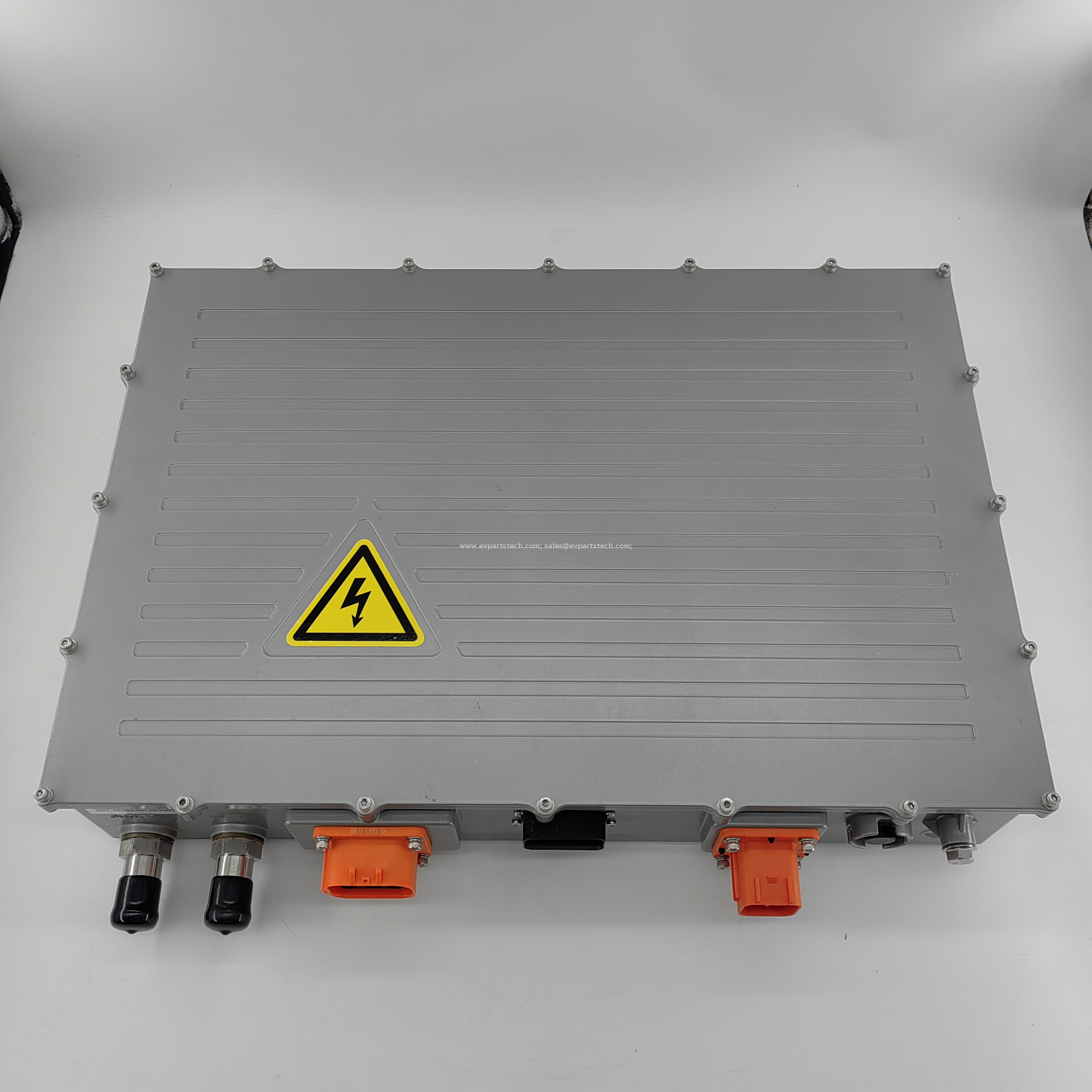
A 7kW on-board charger is one of the most common options for home charging. This charger is ideal for residential use because it balances power and efficiency while fitting into standard home electrical setups. In most homes, single-phase AC power is available, which is compatible with 7kW chargers. This type of power supply is typically sufficient for everyday charging needs and doesn’t require major electrical upgrades.
The beauty of a 7kW charger lies in its compatibility with most residential outlets. It doesn’t require three-phase electricity, making it more affordable and practical for users. In fact, the majority of residential buildings have single-phase 230V AC supply, which can easily support a 7kW charger, ensuring that EV owners can charge their vehicles overnight or during long periods of parking, such as at home or work.
| Charging Setup | Single-Phase AC (7kW) | Three-Phase AC (11-22kW) |
|---|---|---|
| Suitable for | Home charging, residential use | Commercial, fast charging stations |
| Power Supply | 230V single-phase | 400V three-phase |
| Installation Cost | Low, most homes compatible | High, may require infrastructure upgrades |
The 7kW charger also provides a great solution for those who need reliable and consistent charging speeds without the hefty installation costs of a higher-powered charger.
When it comes to charging speeds, the 7kW on-board charger sits comfortably in the middle range compared to other options like the 3.3kW and 22kW chargers. A 7kW charger can provide approximately 25–30 miles of range per hour of charging, depending on the EV model and battery size.
In comparison:
3.3kW chargers are typically slower and often found in older EV models or lower-capacity batteries. They can add only around 10-15 miles of range per hour of charging.
22kW chargers, typically found in public charging stations or for commercial use, can charge an EV much faster but often require three-phase power, which is not usually available in residential settings.
| Charger Power (kW) | Range Added per Hour | Common Use Case |
|---|---|---|
| 3.3kW | 10–15 miles | Lower capacity EVs |
| 7kW | 25–30 miles | Home and workplace charging |
| 22kW | 50–60 miles | Commercial/public fast chargers |
Most EV owners find that the 7kW charger is sufficient for their needs, especially for overnight charging. In a typical home setup, a full charge can take approximately 6-8 hours, making it perfect for users who can charge their vehicle while they sleep. This charger provides a good balance of speed and efficiency, ensuring that users can charge their vehicles without waiting long, but also without the need for expensive equipment and infrastructure changes.
A 7kW on-board charger is well-suited for integration with existing electrical systems, whether in a home or at the workplace. For residential use, this charger typically connects to a standard single-phase AC power supply, which is commonly available in most homes. Single-phase AC operates at 230V, making it compatible with a 7kW charger, which typically requires 32A of current for optimal operation. This type of charging setup is simple to install, with minimal modifications needed to existing electrical systems.
| Charging Setup | Home (Single-Phase) | Workplace (Three-Phase) |
|---|---|---|
| Required Voltage | 230V AC single-phase | 400V AC three-phase |
| Power Supply Compatibility | Standard home outlets | May require a commercial electrical upgrade |
| Installation Complexity | Low, most homes are compatible | High, may require upgrades |
For commercial use, especially for workplaces that have multiple electric vehicles, it might be more suitable to use three-phase power to ensure fast and consistent charging across multiple units. Although the 7kW charger typically doesn’t require three-phase power, some businesses might choose to upgrade their infrastructure to enable faster charging for multiple vehicles.
The Battery Management System (BMS) plays a crucial role in the charging process, particularly in how the 7kW on-board charger interacts with the vehicle's battery. While the on-board charger converts AC power to DC, the BMS ensures that the battery receives the right amount of energy at the appropriate rate. It monitors the battery's voltage, current, temperature, and state of charge (SOC) to ensure efficient and safe charging.
The BMS essentially works as a "gatekeeper" for the battery, making sure that the charging process doesn't overheat the battery or push it beyond its capacity. If the BMS detects an issue, it communicates with the charger to adjust the power flow, ensuring the vehicle stays within safe operating limits.
Key BMS Functions:
Monitoring Battery Health: Ensures the battery doesn’t overcharge or overheat.
Regulating Power Flow: Adjusts the power supply to optimize battery life and efficiency.
Temperature Control: Keeps the battery within optimal temperature ranges.
In essence, the BMS and the on-board charger work together seamlessly to provide a safe, efficient, and optimized charging experience, which is why it’s so important in EVs with 7kW chargers.
One of the benefits of the 7kW on-board charger is its compatibility across a wide range of electric vehicles. Most modern EVs are designed to accept charging rates of up to 7kW, which makes this charger the ideal solution for residential users who want to charge their vehicles overnight without overloading the home electrical system.
While most vehicles can easily connect to a 7kW charger, it's important to note that some entry-level EVs may only support slower charging rates, such as 3.3kW, meaning a 7kW charger will not increase their charging speed. On the other hand, premium vehicles or larger battery EVs are often designed to take full advantage of the 7kW charging rate, ensuring optimal charging speeds.
It’s essential to check the vehicle’s specifications before deciding on a charger. Some electric vehicles (like early models) might not be able to utilize the full capacity of a 7kW charger, while newer models, particularly those in the premium EV category, will benefit from this charging power.
Ultimately, the 7kW on-board charger offers a versatile and future-proof solution for EV owners looking to charge their vehicles efficiently at home or in small commercial settings. Its compatibility with a wide range of vehicles and ease of integration into residential power setups make it an ideal choice for many users.
When it comes to charging power, a 7kW on-board charger offers more efficient charging compared to a 3.3kW charger. The 7kW charger is designed to provide better performance, typically adding about 25-30 miles of range per hour of charging, whereas a 3.3kW charger only provides around 10-15 miles of range per hour.
For smaller vehicles or those with lower-capacity batteries, a 3.3kW charger might still be suitable, especially if the vehicle does not support faster charging. The 3.3kW charger is often found in older EV models or low-range electric vehicles, where it charges slowly but steadily, making it ideal for overnight charging at home.
However, for those looking for a more efficient charging solution, particularly for standard-range EVs, the 7kW charger offers faster charging speeds, significantly reducing charging time, especially for longer-range battery EVs.
Comparing the 7kW on-board charger with the 22kW charger reveals key differences in both charging speed and installation requirements. While the 22kW charger offers significantly faster charging speeds, it also requires three-phase power, which is typically only available in commercial settings or specialized locations.
Advantages of 22kW chargers:
Faster charging speeds, ideal for locations with high vehicle turnover, such as public charging stations or fleet charging setups.
Up to 60 miles of range per hour, perfect for users who need quick turnaround times.
However, the 7kW charger is still a popular choice for home use, as it:
Fits with standard residential electrical setups (single-phase AC), while a 22kW charger requires more costly three-phase power installation.
Is sufficient for most daily driving needs, adding enough range to cover an average commute overnight or during work hours.
Is more cost-effective in terms of both installation and energy consumption, making it ideal for users who do not need super-fast charging but prefer efficient, reliable power.
Even though 22kW chargers are faster, they are often not necessary for most consumers who primarily charge their vehicles at home. For small businesses or private use, a 7kW charger remains an excellent, cost-effective solution with sufficient power to meet everyday charging needs.
The 7kW on-board charger is a critical component in electric vehicles, converting AC power into DC for the battery. It is commonly used for home and small business charging due to its balance of charging speed and efficiency. Keller’s 7kW on-board charger offers a cost-effective, reliable solution for efficient daily charging, integrating seamlessly with existing infrastructure. Keller’s chargers provide a durable and efficient charging solution, designed to optimize vehicle performance and safety.
A: A 7kW on-board charger converts AC power from the grid into DC power to charge the vehicle's battery. It is commonly used in home and workplace charging setups.
A: The charger converts alternating current (AC) into direct current (DC) through an internal rectifier, sending DC power to the vehicle's battery for storage.
A: A 7kW charger is ideal for home use as it is compatible with standard single-phase power supplies, providing a balance between charging speed and energy efficiency.
A: Compared to 3.3kW chargers, the 7kW charger offers faster charging speeds. While 22kW chargers are faster, they require more complex installations, making 7kW a more cost-effective option.
A: Most modern electric vehicles are compatible with a 7kW charger, but some entry-level EVs may be limited to slower charging speeds.


